Lake & Land
Countryside living / A field guideMexico · Portugal · Spain · Italy · France

Life beyond the city:find your everyday place.

Practical countryside and small-town living starts with an ordinary week: shops, transport, utilities and neighbours. Lakes remain a substantial part of this guide, but a shoreline is not a requirement.

An international guide · Sources reviewed 1 October 2026

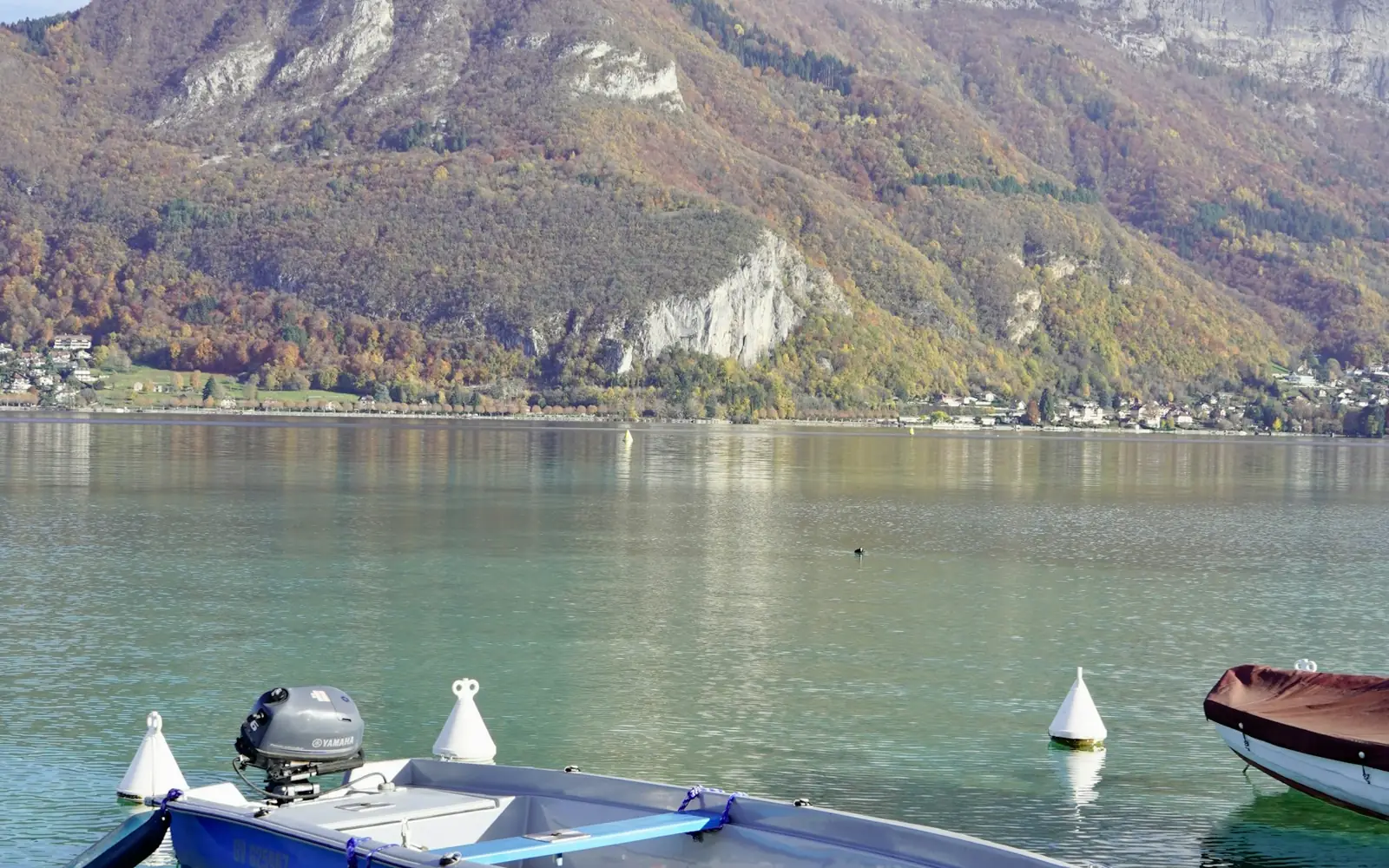
Small boats on Lake Annecy beneath wooded mountain slopes
Lake Annecy, France. Meizhi Lang / Unsplash

Would an ordinary week work here?

Make a list of the journeys you repeat: food shopping, work, appointments and seeing friends. Test them from the address you are considering, including a return after dark. Record the actual transport available on the days you need it. A short distance on a map is not the same as an easy errand.

Find out who keeps things running.

Ask about drinking-water supply, wastewater, rubbish collection, internet and power. Write down the provider, the local contact and how to report a problem. Do not assume a village home has the same arrangements as one in the nearest town. Confirm costs and responsibilities directly rather than relying on a listing.

Try a different season.

During a trial stay, note which shops and meeting places you use. Ask about their quieter months and check opening times again before returning. Think about what you would do if the usual bus, café or outdoor activity were unavailable for a week.

Use the same questions for an inland village and a lakeside town. Our existing lake guides below add the checks that water brings: shore access, changing levels and recreation. They are a substantial section of Lake & Land, not a requirement that every place we cover has a lake. This is a guide to everyday suitability, not a property-buying publication.

The best reason to live here is an ordinary day.

Living by a lake makes sense when being near water changes how you actually spend your week. A public waterfront walk may matter more than a private-looking view. A home above a town may suit you better than an isolated house beside a launch ramp. Start with the activity you want to repeat, then establish whether that particular address supports it.

What you gain

The appeal is access: a familiar place to walk, watch birds or take a boat out when conditions allow. You can enjoy a shore without owning waterfront land. A town with a public promenade also lets different members of a household use the lake independently, rather than making every visit a car trip.

What you take on

Water access, maintenance and seasonal use need separate budgets. Treat mooring, storage, transport and property inspections as costs to price locally, not extras covered by the view. Visit when the place is busy and when it is quiet. Decide which inconvenience would change your decision, rather than hoping every compromise will disappear.

A natural lake is not necessarily steady, and a reservoir is not necessarily unsuitable for recreation. At Trasimeno, Umbria's regional park authority describes recurring water-level difficulties. At Alqueva, EDIA describes a system serving irrigation, energy and water supply. Both require attention to the shore as it changes.

Our starting advice: rent before buying, preferably across a change of season. Test the route to the water and your weekly errands from the actual address. Keep a record of what works without a holiday timetable.

02 / Six different settings

The same wish.
Very different shores.

These are examples to investigate, not a ranking of places to move. Each illustrates a different practical issue. None comes with a whole-lake guarantee of swimming, boating or public access.

Mexico: lake locator mapMexicoMEXICO1 ChapalaEurope: lake locator mapEuropeSPAINFRANCEITALYPORTUGAL2 Alqueva3 Castelo de Bode4 Trasimeno5 San Juan6 Annecy
Approximate lake locations, not access points. Mexico and Europe use different scales. Outlines: Natural Earth; locations: OpenStreetMap contributors.
01 / Mexico · Natural lake

Chapala: live beside it, not necessarily in it.

Chapala spans Jalisco and Michoacán. Its Ramsar record describes a wetland supporting waterbirds, fishing and water supply, as well as pressures from pollution and water projects. That conservation record is background, not a current bathing assessment. We have not verified a current designated swimming location here.

For a first stay, prioritise a usable waterfront route and the settlement behind it. If daily swimming is essential, keep Chapala off your swimming shortlist until a responsible local authority confirms the specific site. A boat excursion and a bathing recommendation are different things.

02 / Portugal · Reservoir

Alqueva: a managed landscape of water.

Alqueva is on the Guadiana in Alentejo, southern Portugal. Its operator, EDIA, explains its multiple water and energy functions. Turismo de Portugal identifies Monsaraz river beach within the nautical centre. That gives you a named access point to investigate, rather than an undefined stretch of shoreline.

Compare a home near a village with one that merely overlooks the reservoir. Drive the route to the beach before treating it as a daily amenity. Confirm seasonal operation through the municipality and bathing conditions through APA, separately from any boat-hire arrangement.

03 / Portugal · Reservoir

Castelo de Bode: follow the road, not the opposite bank.

On the River Zêzere, Castelo de Bode combines a lakeside setting with a working water-supply role. EPAL describes abstraction and treatment infrastructure; that does not make untreated reservoir water drinking water. Aldeia do Mato is a named river-beach starting point in Abrantes.

Investigate individual settlements rather than using distance across water as a measure of convenience. Separate the route to a beach from the route to shopping and appointments. Our Castelo de Bode guide explains how to build an address-level shortlist without assuming services or access rights.

04 / Italy · Natural lake

Trasimeno: shallow water, consequential changes.

Regione Umbria describes Trasimeno as shallow, with a small catchment relative to its surface and recurring level problems. The regional park includes the surrounding shores and towns such as Castiglione del Lago and Passignano. Umbria Tourism lists sailing and canoeing among lake activities.

Make usable access at lower water a specific part of a rental or mooring enquiry. For bathing, seek the latest site-level information from ARPA Umbria and the municipality. A park description is not today's beach notice, and an activity listing is not permission for your particular craft.

05 / Spain · Reservoir

San Juan: water quality is only one permission.

Madrid's official bathing-water page identifies El Muro and Virgen de la Nueva at San Juan reservoir. It explicitly separates sanitary results from other authorities' decisions about environmental and safety conditions. Do not turn a satisfactory sample into a claim that a beach or its access road is open.

An official notice dated 31 July 2026 announced a ban on swimming, navigation and aquatic recreation during the wildfire emergency. We have not verified a subsequent navigation clearance. Check the basin authority and municipality before planning water access; this guide does not mark San Juan as currently open.

06 / France · Natural lake

Annecy: shared water, several authorities.

SILA explains who manages Lake Annecy: the state regulates navigation and authorises moorings, while municipalities and intermunicipal bodies largely manage beaches and ports. Its shore projects include a greenway and pedestrian route. Public water does not remove the need to check a launch point or mooring.

Try the actual walking or cycling route from a candidate home. For boating, consult current prefectural rules rather than transferring a rental operator's arrangements to a privately owned craft. Natural lakes change too: SILA records Annecy's marked low water in 2018.
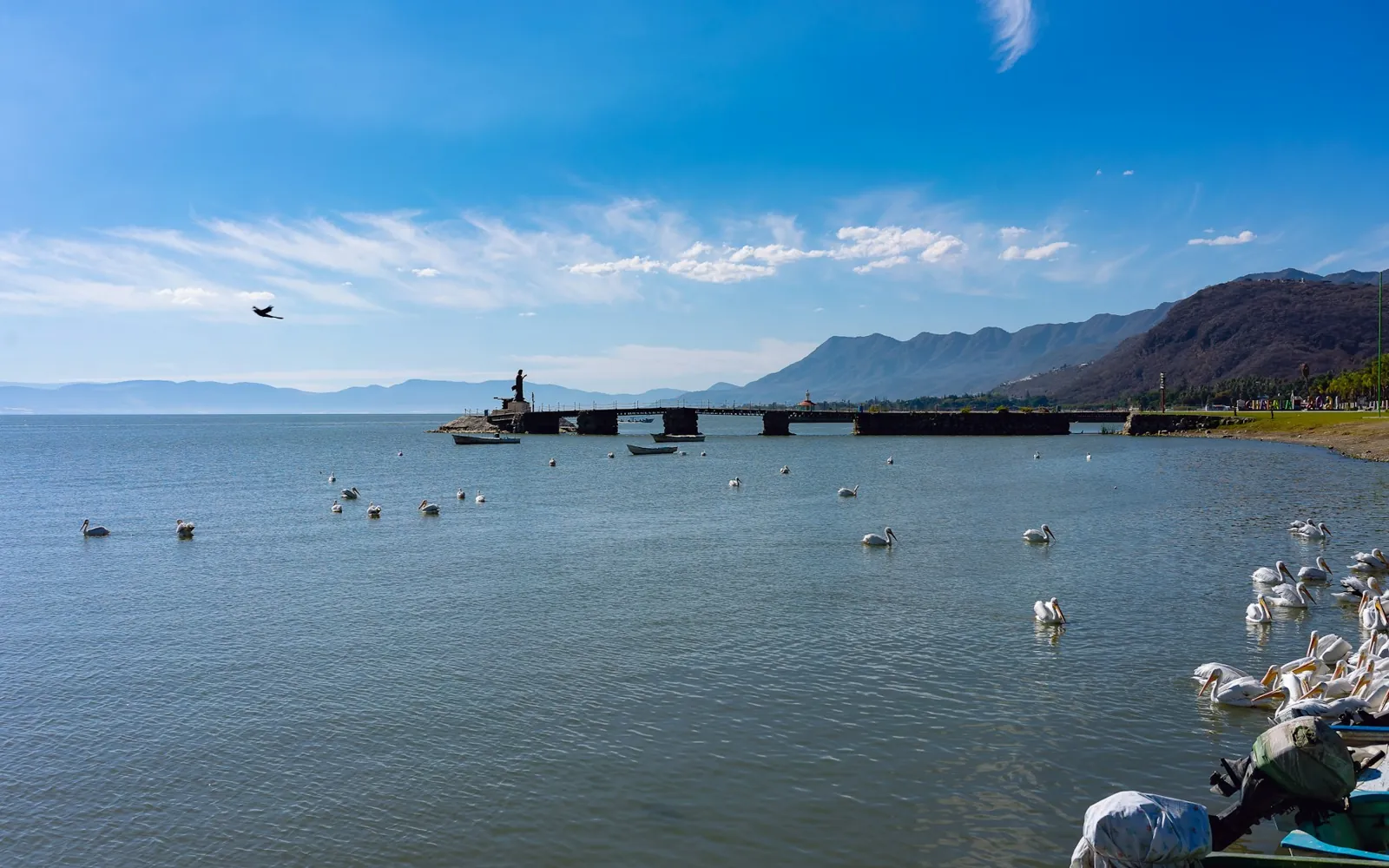
Birds beside the waterfront at Chapala, with a pier and hills across the water
Chapala, Jalisco, Mexico. Roman Lopez / Unsplash
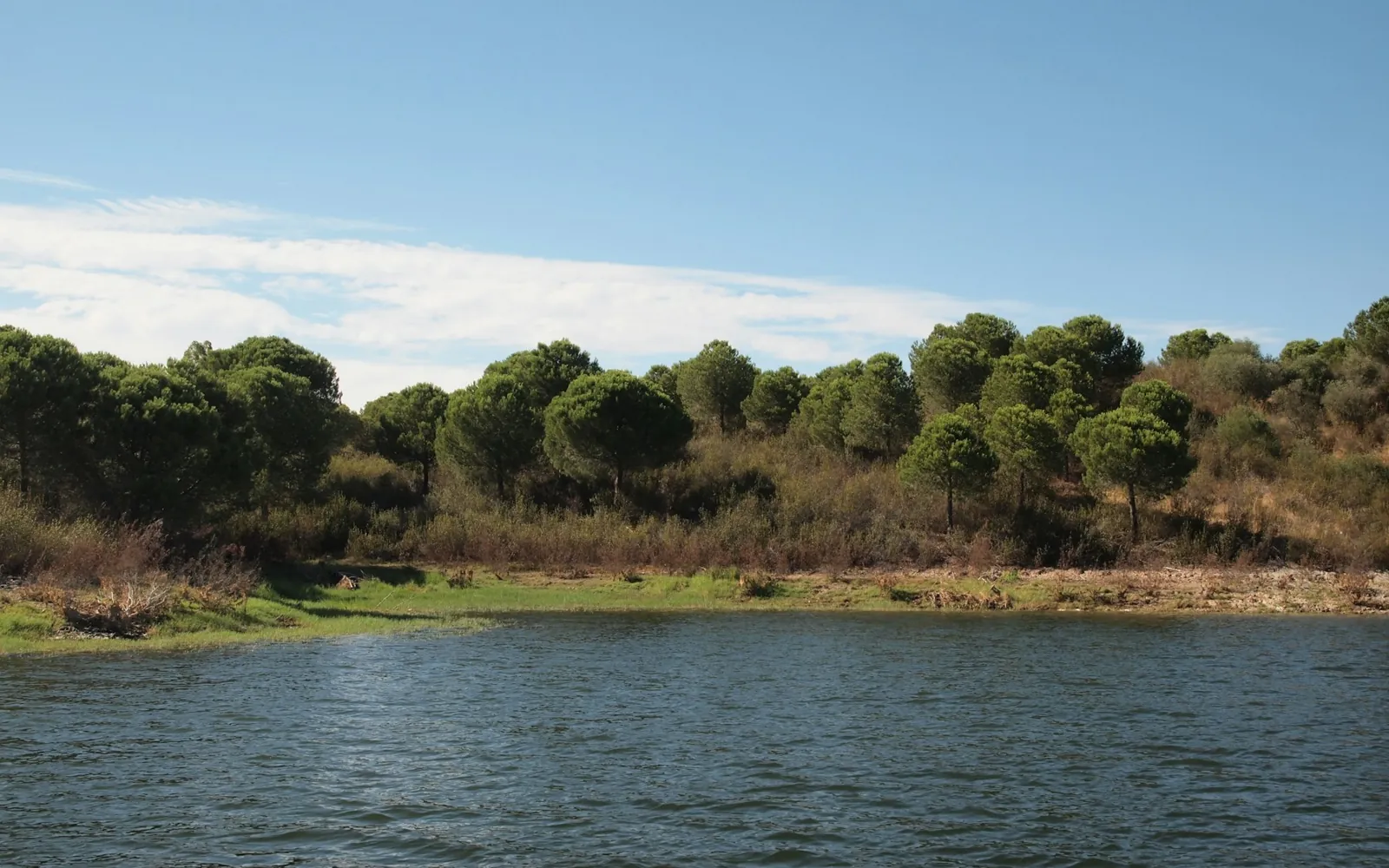
Water and a tree-lined bank at Alqueva in Portugal
Alqueva, Portugal. Tiane Couto / Unsplash
03 / The working comparison

Compare the conditions, not the postcard.

Filter by country or water-body type. Read each row with its linked official sources. “Check locally” means the evidence does not establish a current permission, not that permission is unnecessary.

6 lakes shown

Six lakes: swimming, boating, water levels and practical access
Lake / typeSwimming evidenceBoating conditionsLevels & practical access
ChapalaMexico · Natural lakeNo current bathing-site clearance verified. Do not infer it from leisure use.Confirm operator, launch and local restrictions. No private-craft permission established here.Ramsar background records water pressures. Inspect the route to the shore at your chosen settlement.
AlquevaPortugal · ReservoirMonsaraz beach identified; check APA alerts and local notices.Nautical-centre access is not unrestricted launch or mooring permission. Confirm arrangements.Multipurpose reservoir. Compare dated levels and the actual road to the beach.
Castelo de BodePortugal · ReservoirAldeia do Mato identified; check APA before a visit.The beach listing includes watersports. Ask about the chosen activity and launch site.Dated storage data: SNIRH. Not a local depth reading. Check shoreline conditions and road journeys.
TrasimenoItaly · Natural lakeConsult ARPA and municipal notices for the specific bathing area.Sailing and canoeing listed; check current launch usability and rules.Recurring level difficulties. Ask how lower water affects the intended shore.
San JuanSpain · ReservoirTwo monitored beaches. Health results do not establish opening.A 31 July 2026 emergency ban included navigation. Subsequent clearance not verified.Reservoir conditions and access must be checked separately. Confirm municipal road and beach notices.
AnnecyFrance · Natural lakeMunicipally managed beaches; check site notices and health information.State navigation rules and mooring authorisations apply. Consult the current local regulation.Low-water precedent. Test the shore path from the address.

No live safety feed. No fixed water-level range is claimed. All rows remain readable without JavaScript; on a phone, swipe the table sideways.

Check an address, not a promise.

Bring a written brief to a viewing. If you need a walkable shore, reliable home working and access without steps, record evidence for each separately. A strong answer on one should not hide a failure on another. Use the same brief for a town rental and a waterfront house so the comparison remains fair.

Make seasons part of the trial. Ask for heating and cooling bills from the property, check shade at the hours you would sit outside, and note which rooms you would work or sleep in. These are suggested property checks, not claims about a whole lake's climate. A regional weather average cannot tell you how a particular house feels.

Keep the household budget separate from the recreation budget. Request local figures for utilities, maintenance and transport, then add any boat storage, launch or mooring arrangements you would use. Do not budget around a facility until its availability is confirmed. If the lake activity becomes impractical for a month, the home should still support the rest of your life.

  1. Separate the view from access.

    Walk the route you expect to use. Record public paths, gates and the actual entrance to the shore. If a purchase depends on private access or a mooring, ask a local professional to verify the documents before committing.

  2. Compare water at different dates.

    Ask the water authority for historic levels, then compare photographs of the same bank. A storage percentage is not a measurement of water depth beside a jetty. USGS level records illustrate the kind of time series to seek locally.

  3. Check risk and running costs separately.

    Obtain an address-specific inspection and insurance terms. Area maps are a starting point: England's official flood service, for example, explicitly does not predict whether an individual property will flood. Budget for any shore structures separately.

  4. Run a normal week.

    Test internet at the house, shopping journeys and the transport you would use after dark. Confirm drinking-water and wastewater arrangements. Return outside your first visit's season. Our full lakeside checklist turns these checks into a practical comparison record.

Before the first viewing

Is it better to live on a lake or near one?

Near one is a useful starting choice if you mainly want walks and occasional visits. Waterfront ownership only earns its extra complexity if the particular access and upkeep suit how you plan to live.

Can I swim wherever there is a beach?

No general permission follows from the word “beach”. Use current official site information and notices. The San Juan example shows why water-quality results and a decision to open access must be checked separately.

Does a natural lake avoid water-level problems?

No. Trasimeno's regional authority and Annecy's lake body both document level difficulties. Compare the specific lake's records rather than treating “natural” as a promise of a fixed shoreline.

Which is the best lake for year-round living?

This guide does not rank whole lakes. The better choice is the address whose services, access and seasonal conditions fit your household. Use the comparison to narrow research, then test the ordinary week in person.

A view is worth having. Evidence is worth keeping.

Save the source, the date and the place each answer refers to. An unanswered access question belongs on your shortlist, not in the small print after a decision.

From the blog

All posts